
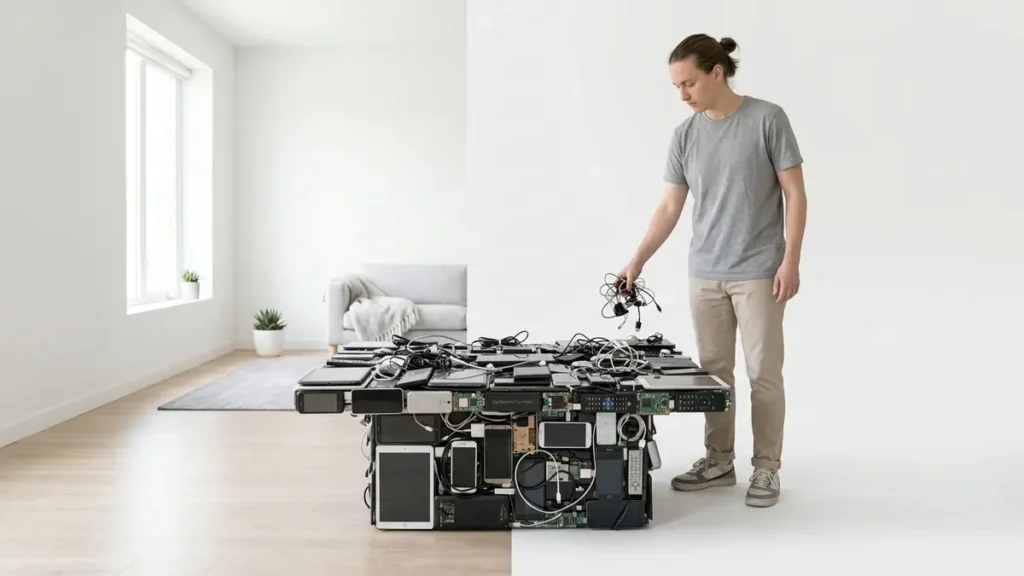
Electronic Waste Is Growing Fast, and So Is the Junk Drawer of Civilization
Electronic waste is growing fast, which is a polite way of saying we’ve turned modern life into a storage problem with charging cables. Dead phones, swollen batteries, mystery remotes, obsolete tablets, and that one laptop you swear is a backup now live in drawers, closets, and office bins like dusty little IOUs. Electronic waste doesn’t arrive with a dramatic gong. It creeps in by inches, one “might need this later” device at a time.
The Graveyard in Your Closet
Most e-waste doesn’t start in a dump. It starts in the spot where useful things go to become awkward. A phone with a cracked screen. Wireless earbuds that only charge if balanced like a prayer. Three dead chargers and one cable nobody can identify. We don’t throw this stuff out because electronics feel weirdly temporary and permanent at the same time.
That’s the junk-drawer logic of civilization: not broken enough to deal with, not useful enough to use. So landfill electronics often spend years haunting homes before they become an official problem. The funny thing is, storage feels responsible. It isn’t. It’s just delayed disposal with better furniture.
Recycling: The Great Footnote We Keep Ignoring
A lot of people talk about recycling electronics like it works the same way as a cereal box. It doesn’t. Gadgets are a messy stew of plastics, glass, adhesives, rare metals, wiring, and batteries that can leak, spark, or contaminate other material streams. Tossing one into the blue bin is basically the waste version of throwing a greasy pizza box into compost and hoping the universe sorts it out.
The real issue is pretty simple: we’re replacing devices faster than the cleanup system can keep up. The 2024 Global E-waste Monitor found that the world generated a record 62 million tonnes of e-waste in 2022, while less than a quarter—22.3%—was formally collected and recycled, underscoring a widening gap between how quickly consumers discard electronics and how slowly recycling systems can safely process them. So no, e-waste recycling is not some magical rinse cycle for our upgrade habits.
When “Future Proof” Becomes “Pile of Plastic and Metals”
We all know the sales pitch. Better camera. Slightly thinner body. A battery improvement that somehow still leaves you hunting for a charger by dinner. “Future proof” usually means “good until the next product launch.” Add sealed designs, pricey repairs, unsupported software, and accessories that change for no sane reason, and suddenly replacement starts looking easier than maintenance.
That’s how electronic waste grows: not through one evil decision, but through a thousand convenient nudges. We’ve built a consumer rhythm where repair feels like extra paperwork and replacement feels like self-care. Then the old device gets demoted to a drawer, where it sits like clutter in a badly organized pantry—expired, vaguely useful, and definitely not dinner.
The Unsexy Fixes That Actually Matter
None of the fixes are glamorous, which is probably why they work. Keep devices longer. Repair screens and batteries when the math makes sense. Resell or donate functioning gear instead of marinating it in a closet. Use certified e-waste recycling programs for dead electronics, and handle batteries separately like the tiny chemical tantrums they are.
And yes, buying less often matters. Not in a saintly, live-off-grid way. Just in a basic stop-generating-so-much-trash way. Check the drawer, find the dead charger, and stop pretending it’s going to revive itself. Electronic waste keeps growing because convenience is excellent at making clutter and pretty mediocre at cleaning up after itself. The fix is boring, slightly dirty, and completely necessary.