
Carbon Footprint of Concrete: Permanence With a Receipt
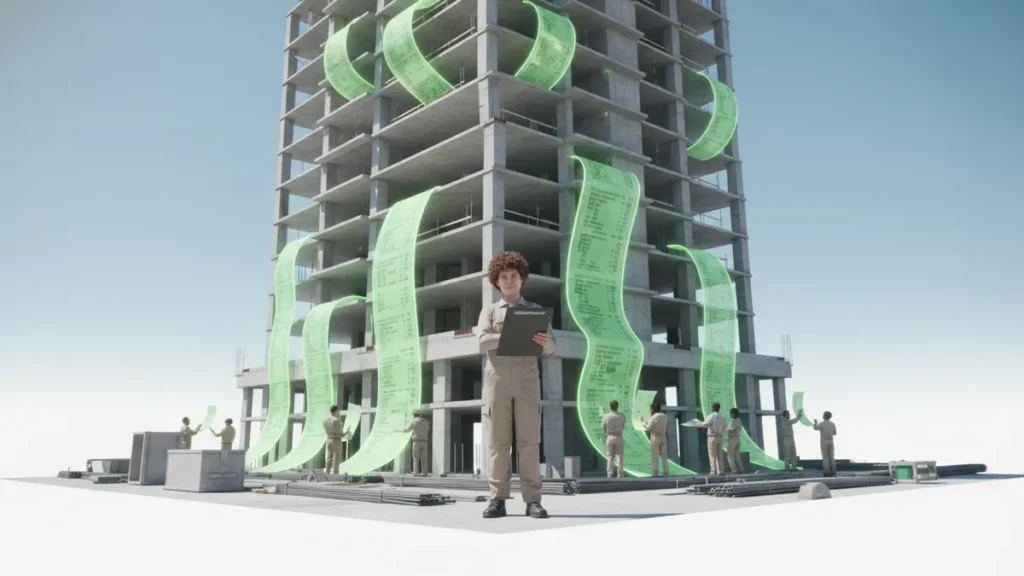
The carbon footprint of concrete is the construction industry’s favorite magic trick: a material sold as “forever” that arrives with a climate invoice stamped paid by everyone. Concrete looks inert once it cures. The emissions don’t. They’ve already happened—quietly, reliably, and at industrial scale.
The Invisible Quarry: Why A Building’s Drama Starts In A Rock
Before concrete becomes a smooth grey promise, it’s limestone with a travel schedule. The supply chain begins with quarrying—blasting, excavating, crushing—then hauling heavy rock to processing sites and plants. None of this is philosophically complex; it’s just diesel, electricity, and logistics adding up, long before the first site pour makes a photo-ready appearance. Think of it as the prequel nobody watches: no hero shots, just machines converting geology into a billable line item. By the time the mixer truck shows up, the “clean” material has already been to the gym, burned calories, and left exhaust behind.
Kilns, Chemistry And The Carbon Tab: Cement’s Not-So-Secret Ingredient
Concrete’s real emissions pop out of the part people wave away as “just manufacturing”: cement. In the kiln, limestone (calcium carbonate) is heated until it becomes clinker. This is where the industry stops implying and starts confessing—in chemistry. Calcination releases CO₂ as a direct byproduct, and the kiln also needs enormous heat, often from fossil fuels. Two tabs, same checkout. If you want the official character sheet, here’s the binder at the center of it all: Cement. Cement production alone accounts for a notable share of global CO₂ emissions, because both the fire and the reaction are doing damage in parallel. The factory is basically a tax office for rocks: by the time the bill arrives, you’ve already signed it.
Embodied Carbon Vs. Operational Carbon: The Long Game Of A Heavy Choice
We love to argue about a building’s operational energy—efficient HVAC, better glazing, cleaner grids. Important, yes. But embodied carbon is the part you can’t “retrofit” out of existence: emissions from raw materials, manufacturing, transport, and construction. It’s the opening balance on day one. Operational carbon is a long-term relationship. Embodied carbon is the building’s birth certificate: a lifelong record nobody reads until it’s too late. Concrete-heavy structures often start life with a high embodied surcharge, and unlike a utility bill, you don’t get to spread it out or bargain it down later. A carbon footprint counts lifecycle emissions. For concrete buildings, that lifecycle can begin with a carbon spike so large it makes later efficiency gains feel like paying off a mortgage with loose change.
Low-Carbon Claims And Carbon Accounting: Gimmick Or Genuine Progress?
Not every “low-carbon concrete” claim is a scam—but the incentives are strong to make it sound like one. Real reductions usually come from a few places:
- Supplementary cementitious materials (SCMs): Replacing a portion of clinker with materials like slag or fly ash can cut emissions meaningfully—when supply and specs cooperate.
- More efficient kilns and cleaner energy: Less fuel per tonne, and better fuels, reduce the energy side of cement emissions.
- Alternative binders and novel cements: Promising, uneven, and often limited by codes, availability, or performance tradeoffs.
- Recycling and carbon curing: Useful in the right context, but easy to oversell if the headline savings ignore the big clinker math.
The skeptical rule: if the claim depends on creative boundaries, optimistic offsets, or a spreadsheet that treats “later” as “solved,” it’s probably PR dressed in hard hats. Honest accounting doesn’t eliminate emissions; it prevents you from pretending they’re optional.
Design Choices That Matter: Less Concrete, Smarter Concrete
The cheapest carbon is the concrete you never pour. Designers and planners have leverage that doesn’t require waiting for a miracle kiln:
- Material optimization: Right-size members, avoid overdesign, use performance-based specs where safe.
- Smarter mixes: Lower-clinker blends, tuned to actual exposure conditions instead of habit.
- Design for longevity and reuse: Durable details, adaptable grids, and deconstruction-friendly connections so buildings aren’t treated like disposable packaging.
- Procurement standards: Require environmental product declarations and set embodied-carbon targets that can’t be negotiated into irrelevance.
Elegance beats mass. “More” is rarely a structural requirement; it’s often a cultural reflex with a cement kiln attached.
Take-Away: Set In Stone, Paid In CO₂
Concrete isn’t a cartoon villain. It’s just a high-volume, high-heat, high-chemistry material whose impact is mostly locked in at manufacture. Treat the carbon footprint of concrete like a design parameter, not an afterthought: use less, specify smarter, and audit claims with adult supervision. Want a version your architect can’t ignore? Subscribe for a one-page “Concrete Carbon Cheat Sheet” that turns satire into spec-ready facts.