
The History Of Asbestos: When A Miracle Became A Cautionary Tale
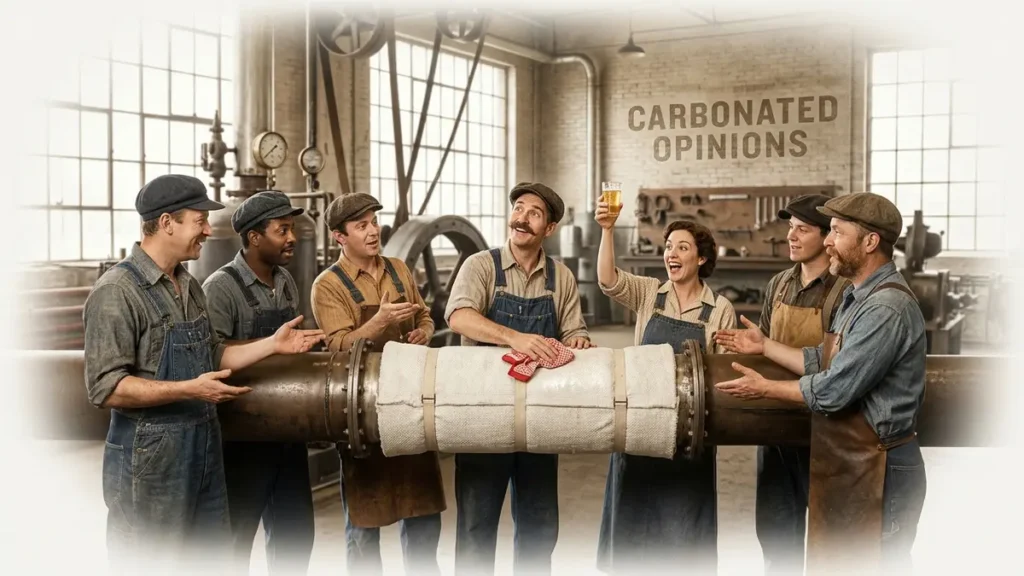
The history of asbestos reads like a period drama where the “miracle” character gets recast as the villain halfway through—same face, worse motives. It arrived dressed as progress: fireproof, tough, obedient. A mineral that promised to keep modern life from burning down, which—how comforting. If they only knew. If they only knew that “eternal insulation” would eventually mean “eternal paperwork,” the kind signed by doctors, inspectors, and very tired families. But hindsight is a well-lit room. The past preferred mood lighting.
Chrysotile And Champagne: The Rise Of A Wonder Mineral
The Industrial Age loved a simple romance: take a raw substance, give it a factory, and call it destiny. Enter asbestos, a mineral with the work ethic of a saint and the boundaries of a houseguest who “just needs one night” and then quietly moves into the attic, cellar, and—if we’re being honest—your genetic code. To a 19th-century mind, asbestos wasn’t ominous; it was responsible. It didn’t burn. It didn’t complain. It reinforced pipes, wrapped boilers, lined walls, and generally offered to solve problems humans had created five minutes earlier with coal and impatience. And the marketing practically wrote itself. Imagine the ad copy, feathered with confidence: Eternal insulation, now with extra hubris. Progress, but make it cozy. Like a Victorian selfie—polished, flattering, and blissfully unaware of the caption history would add later.
If They Only Knew: Health Effects That Arrived Fashionably Late
If they only knew—well, some did. That’s the maddeningly patient twist in this story: the warnings didn’t arrive in the 21st century on an oversized infographic. They arrived earlier, in papers and clinics and the quiet pattern of sick workers. The asbestos health effects are not metaphors; they’re stubborn biology. In plain terms: tiny fibers can be inhaled, lodge in the lungs, and irritate tissue for years. Over time, that can lead to asbestosis (scarring that makes breathing harder) and mesothelioma, a rare cancer strongly linked to asbestos exposure. The timeline is part of the cruelty—these diseases often appear decades after exposure, like an invoice delivered long after you forgot the purchase. Meanwhile, institutions performed their favorite dance: acknowledging “concern” while continuing “operations.” Not evil, necessarily. Just that special kind of administrative sleepwalking—where the building is on fire, but the meeting about the fire is scheduled for next quarter.
Lessons In Hindsight: Regulation, Reckoning, And The Modern Cleanup
The asbestos timeline in regulation has the texture of someone discovering a leaking roof after the mansion’s foundation has settled: first denial, then buckets, then arguments about whose job it was to notice, and finally a contractor saying, politely, that this will cost more because you waited. The modern lens is not “how could they?” but “how easily we do this.” We treat safety as a feature upgrade, not a prerequisite. We wait for cost-benefit analyses to bless what basic caution already suggested—an ethos that occupational safety and health tries, eternally, to drag into daylight. Practical reality now: asbestos isn’t a DIY morality lesson, and like other vintage mistakes it requires professional help. If you suspect asbestos in an older building, don’t sand, drill, or “just check.” Leave it undisturbed and consult qualified professionals for testing and remediation. The point is not panic—it’s competence. We’ve already tested the “ignore it and hope” method. Results were… instructive.
Take-Away
Ingenuity will keep inventing marvels. The missing ingredient is humility—the habit of asking, early and often, what a “miracle material” costs when the bill comes due. The past isn’t a comfort blanket; it’s a cautionary manual with greasy fingerprints. If they only knew. And if we only knew what future people will say about our favorite conveniences, we might start acting like we do. Want more gentle scorn for past ecological choices? Subscribe to Retrograde Planet and we’ll examine another well-intentioned mistake—with the calm, knowing disdain it deserves.