
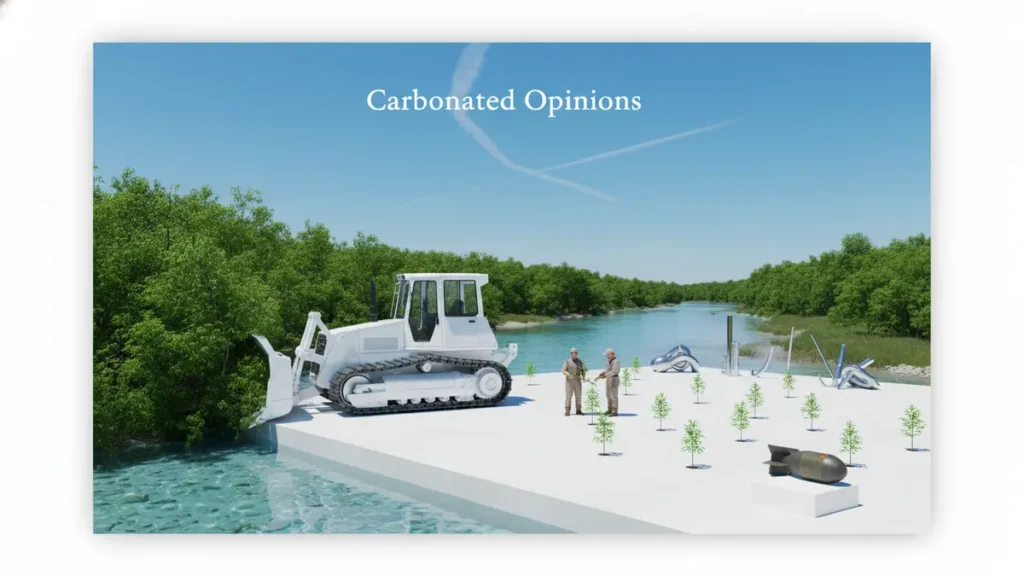
The Environmental Impact Of War: When Geopolitics Decides To Remodel The Planet
War sells itself as strategy, security, and solemn flags in slow motion. The environmental impact of war is less cinematic: habitats shredded, rivers dosed, soils salted with chemistry, and ecosystems forced into a new normal they never voted for. It’s a DIY renovation show with money, urgency, and bad decisions—except the “before” was a wetland.
The Battlefield As Bulldozer
Shelling, scorched-earth tactics, and strikes on infrastructure don’t just “reshape the front.” They flatten forests, crater fields, and turn wetlands into rubble-studded basins. Debris becomes the most abundant local resource: shattered concrete, twisted metal, pulverized insulation, and whatever was stored in that warehouse everyone pretended wasn’t flammable. Heroic rhetoric loves a clean line on a map. Nature gets the messy version: fragmented habitat corridors, collapsed riverbanks, and noise that drives wildlife away from breeding grounds like an eviction notice issued by artillery.
Toxic Legacies
The shooting may stop; the chemistry keeps working overtime. This is classic military pollution: explosives and propellants leave residues, heavy metals accumulate, fuel spills seep, and unexploded ordnance waits patiently for a farmer, a child, or a deminer with a very long day. Battlefields also moonlight as hazardous-waste storage sites—unregulated, unlabelled, and generously distributed. Unexploded ordnance is the planet’s slow-ticking IKEA furniture: cheap to produce, confusing to dismantle, and hazardous if you sit on it the wrong way.
Climate Collateral
War’s carbon footprint doesn’t arrive with a press kit. Military logistics burn fuel with admirable consistency; damaged industrial sites leak and flare; fires and detonations add their own contributions; and reconstruction arrives later with cement, steel, and diesel convoys. The atmosphere receives conflict’s unhelpful gift: emissions now, promises later. The numbers are notoriously fuzzy—secrecy, chaos, and accounting choices don’t make for tidy inventories—but uncertainty isn’t innocence. “We can’t measure it perfectly” is not the same as “it didn’t happen.”
Human Displacement And Ecological Pressure
Forced migration pushes people into makeshift settlements where survival becomes the planning department. Nearby forests become fuel depots. Water sources get overdrawn. Wildlife loses space to tents, roads, and emergency agriculture. This isn’t moral failure; it’s physics plus desperation. But the land remembers: stripped vegetation, compacted soils, and new land-use patterns that stick around long after the convoy of headlines moves on.
Recovery, Responsibility, And The Politics Of Restoration
Post-conflict cleanup is where ideals go to negotiate with budgets. Who pays for remediation? Who maps contamination? Who removes unexploded ordnance, and for how many decades? Ecological restoration has limits: you can replant, but you can’t instantly un-poison a watershed or un-fragment an ecosystem. Rebuilding often prioritizes speed—economic “normalcy” first, ecology later—because concrete photographs better than microbial recovery. Yet long-term stability depends on land and water that work. Accountability and funding aren’t feel-good extras; they’re the infrastructure of not repeating the damage. For a broader overview, see Environmental impact of war. And if you’re wondering when this becomes a crime rather than a tragedy, the debate around Ecocide is waiting with its paperwork.
Take-Away
Wars don’t only reorder borders; they rewire ecosystems and leave toxic footnotes that outlast the speeches. A serious response means transparent accounting, long-term remediation, and ecological planning—not just handshakes and press releases. If you like your outrage carbonated and well-sourced, subscribe to our fizzed-up briefing—one sharp take on environmental calamities every fortnight.