
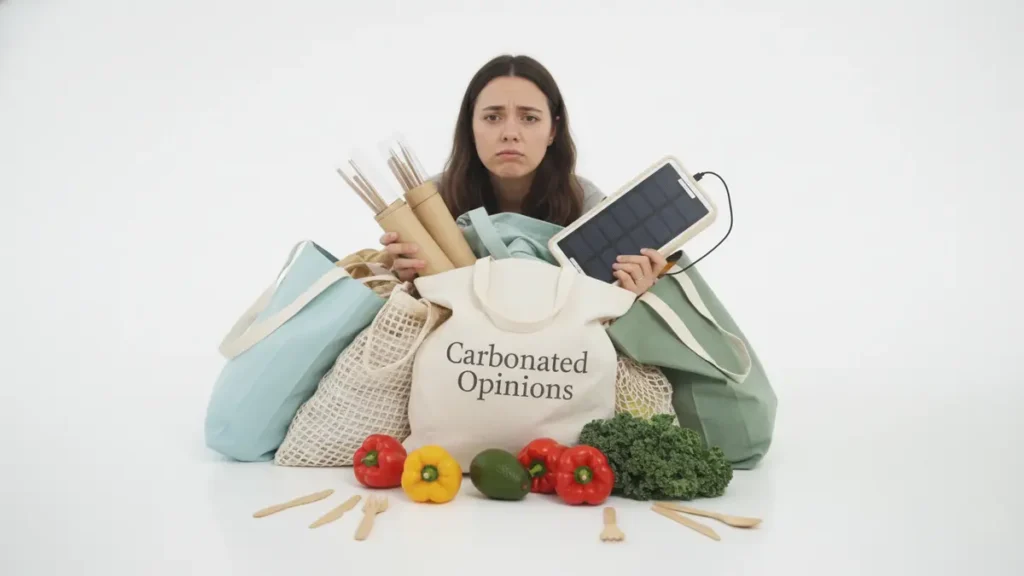
A short, mortifying diary entry about trying to be green and mostly tripping over my own good intentions.
The Compost Revolt
I bought a compost bin with the swagger of someone who watched two gardening videos and assumed mastery. Three weeks later the pile had staged a protest. Instead of dark, crumbly humus I had created an olfactory crime scene.
Composting is useful. It turns food scraps into soil. It also keeps organic waste out of methane-making landfills. But composting is not just tossing scraps in a bin and hoping for the best. It needs a balance of greens, browns, air, and moisture. I fed mine espresso grounds and citrus like a caffeinated fruitarian. The pile sulked and then retaliated.
If you want the real science, the Compost page explains it better than my tragic attempts. Quick, useful fixes: add dry leaves or shredded paper, turn the pile now and then, and keep greasy leftovers out. Also, don’t perfume your compost with citrus. My compost bin went from Eden to Eau de Dumpster in three weeks.
The One-Tree-Planting Mirage
I once sent money to a tree-planting fund and felt instantly absolved. For about two days. Planting trees is lovely. They store carbon, provide habitat, and make photos prettier. They are not a magic eraser for years of impulse flights and takeout binges.
Climate impact is accounting, not wishful thinking. Trees sequester carbon slowly. The whole-life emissions of our habits matter. The concept shows up clearly in the Carbon footprint literature. Planting one tree is an act of hope; thinking it cancels out eight years of takeout is delusion dressed in saplings.
Better use of that guilt: fly less, eat a bit less meat, support policies that cut emissions at scale, and fix things you already own. If you donate to tree planting, treat it as part of a long-term restoration plan — not a social media absolution.
The Bicycle of Shame (and Other Transport Confessions)
I own a helmet that lives on a hook like a tiny, judgmental moon. On sunny Sundays I am an avid cyclist. On rainy Tuesdays I take an Uber for a two-mile trip because my hair is wet and my dignity is finite.
Transportation is where small changes add up. Combine errands into one trip. Commit to a couple of car-free days each week. Swap short drives for public transit. Consistency beats occasional heroics. And when life happens — storms, deadlines, pet emergencies — forgive yourself. The planet prefers steady effort to theatrical perfection.
The Closet of Regrettable Good Intentions
I buy “eco” clothes on sale and then never wear them because the cut makes me look like a confused avocado. Fast-fashion bargains hit hard and then haunt your wardrobe. The environmental cost of producing, shipping, and discarding garments is real.
Practical, non-judgmental tips: mend what’s torn, learn a basic stitch, swap clothes with friends, and buy fewer, better-made pieces that actually fit your life. Durability is quietly subversive. The most radical thing you can own is an item you keep and wear for years.
Take-away
I am not an eco-hero. I am someone who tries, fails, learns, and tries again. Small, repeatable habits beat dramatic one-offs. Compost with a little knowledge. Plant trees with realistic expectations. Ride, walk, or transit more days than you don’t. Fix and cherish what you own.
If you’ve ever failed greener, you are in good company. Share one of your eco-fails in the comments. Communal shame is cheaper than carbon offsets, and frankly, far more entertaining.