
Intro
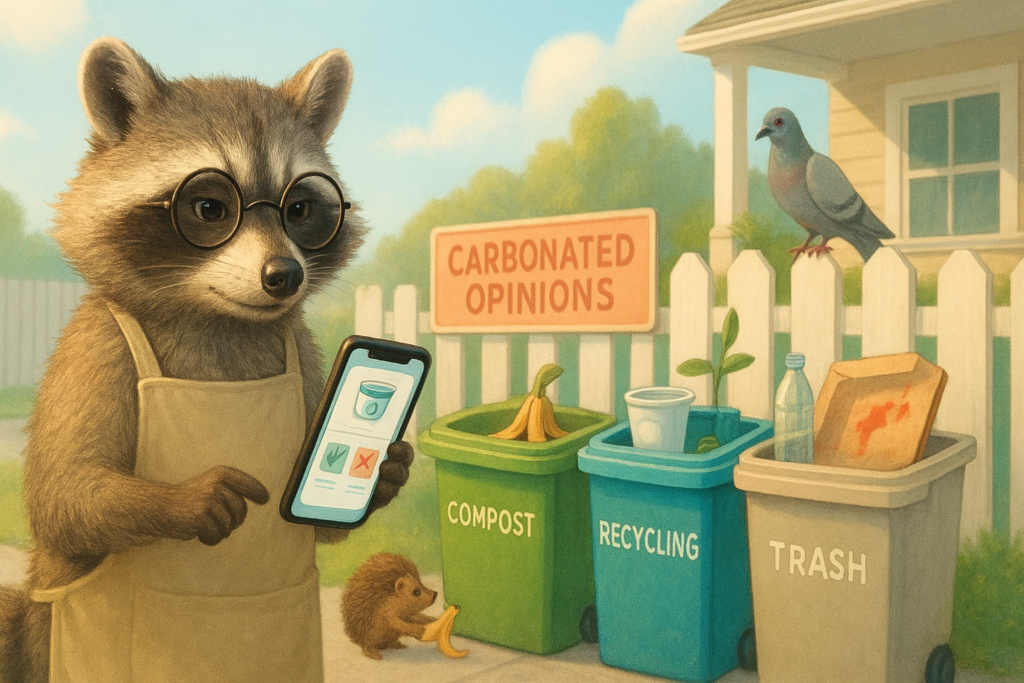
I have a complicated relationship with my bins. I check the recycling like it’s a dating app, swipe left on greasy pizza boxes and swipe right on clean yogurt tubs. My recycling bin has higher standards than my last date, and honestly, it judges me more kindly. This is a small, slightly embarrassing confession from someone who treats waste like a sport — and also wants to help you win your own tiny, dignified battles against household chaos.
Confessions of a Bin Whisperer
I know the neighborhood bin schedule better than my neighbor’s birthday. I name my bins (mostly joking), and I feel a pang of pride when something “graduates” from trash to recycling. This obsession comes from curiosity and a dash of guilt. Behind my tidy rituals is the larger world of Waste management, the messy industry that decides whether our leftovers get a second act or a very long retirement.
Sorting isn’t a moral exam, but it feels like one. Clean containers, separated organics, and fewer mystery polymers help the whole system. Learn a little about how waste flows and the choices become less baffling. Suddenly you care about labels, not out of virtue signaling, but because your efforts actually matter.
The Recycling Sorting Olympics
Recycling feels like a TV competition where the prize is less landfill guilt. But every city has its own rulebook. The classic question — “Is it recyclable?” — spawns mental gymnastics. You can under-rinse, leaving residue that contaminates a whole batch, or over-rinse until your hands prune like you’re preparing for a science fair. Single-stream collection sounds blissful: toss it all in and let machines do the rest. In practice, it often invites contamination.
Mixed materials are the heartbreak of recycling. A plastic-lined paper cup wants to be useful, but most plants see it as too needy. The rule of thumb: empty, dry, and clean. When in doubt, check local guidance — it changes like fashion, but with worse consequences.
Recycling reduces demand for virgin materials and saves energy. Still, it’s not a magic wand. It’s the third step after refusing and reducing. Treat it like part of a ladder, not a landing pad for guilt.
When Composting Gets Passive‑Aggressive
Composting is the domestic revolution that smells faintly of victory — or sometimes compost. Backyard piles and municipal organics are doing the same honest work: returning nutrients to soil. But composting has manners. Meat and dairy usually get a polite decline in small backyard systems. Citrus and onions can be dramatic actors, but many municipal systems handle them fine.
A well-managed pile should smell earthy, not like a forgotten gym sock. The biggest myth is that composting is a stinky, filthy chore; it’s actually a patient, slightly smug way to turn waste into soil. Trash is like an ex: hard to forget, takes up space, and sometimes compostable. If you have room, try a small compost bin. No yard? Look for curbside programs or drop-off sites.
Landfills: The World’s Largest ‘Out‑of‑Sight’ Closet
We love to pretend garbage vanishes. It doesn’t. Landfills are engineered, imperfect monuments to consumption. Some manage leachate and capture gas; others become problems for decades. Reading about Landfill design and limits makes the impulse to “throw it away” feel much less heroic. For a clearer picture, see what really happens after you toss it.
Certain materials last effectively forever. Plastics fragment into micro‑messes. Electronics hide valuable and hazardous bits that need special handling. The smartest move is to reduce: buy less, choose quality, and avoid single-use fluff. Reduction beats clever disposal every time.
A Mini Guide to Less Trash, Fewer Tears
Start tiny. Refuse a single-use item this week. Carry a reusable bottle. Swap disposable cloths for washable ones. Buy things meant to be repaired, not discarded. Donate items with life left. When recycling, follow local rules: empty, clean, and dry.
Composting? Begin small and be patient. Don’t aim for perfection. Aim for progress. Small rituals add up, and they’re oddly satisfying — like matching socks for the planet.
Take‑away
Obsessing over bins is a tiny rebellion against planetary chaos. You don’t have to be flawless. Try a little harder than your coffee cup’s lifespan. Start with one ritual: refuse, reduce, or compost. Your bins — and your dignity — will slowly improve, one sorted yogurt pot at a time.
P.S. If you’re ashamed about over-sorting, remember: someone somewhere is whispering to their bin, too. We are a community of guilty do-gooders. Welcome to the club. And if you want to nerd out more, dive into Recycling for a deeper peek at how paper and plastic might earn a second act.