
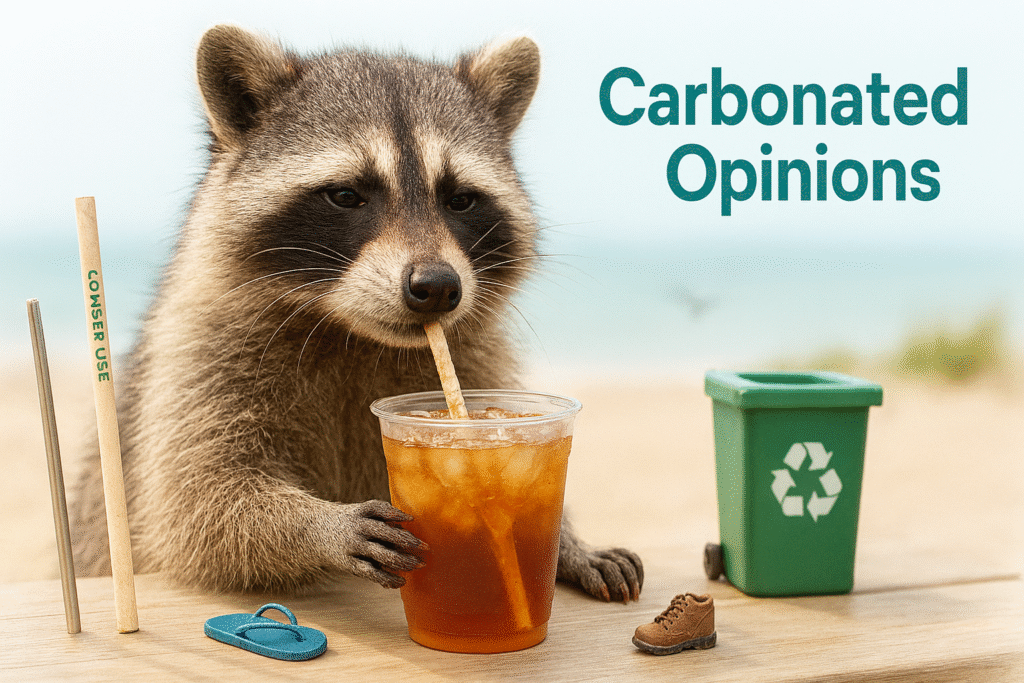
A limp paper straw is the small betrayal we all secretly blame on environmentalism. One minute you’re feeling virtuous; the next you’re sipping tea through a soggy noodle and reconsidering your life choices. Let’s clear the fog: paper straws aren’t evil, but they aren’t miracle workers either.
What people mean by “paper straws” — and why they go soggy
Most commercial paper straws are thin tubes of rolled paper bonded with glue. Some get a light coating to resist moisture. When a straw sits in liquid, the fibers swell and the glue can soften. That’s why a paper straw for a quick soda survives, but one for a 30-minute iced coffee turns limp. It’s not magic—just basic material limits.
The environmental claims vs. the reality
Paper straws get applause because they break down faster than plastic. That’s true in compost or regular backyard decomposition. But the full picture includes how the straw was made. Paper needs wood pulp, processing, and transport. Plastic straws use fossil fuels and don’t biodegrade, which is bad for wildlife and microplastics.
Where paper loses points: in a sealed landfill, organic items can degrade slowly and produce methane, a potent greenhouse gas. In many places, paper straws don’t end up in industrial composting anyway, so the expected benefits shrink. The right question is trade-offs, not absolutes.
Where paper straws actually help — and where they don’t
Paper straws are a clear win at outdoor events, on beaches, and in places where stray plastic often reaches waterways. They’re also useful for short drinks or single-use situations where reusables aren’t practical.
They’re a poor choice for long-sip drinks, milkshakes, or any scenario where the straw sits in liquid for a long time. Also, in regions without composting or proper recycling, paper may still end up as landfill cover, which limits its environmental advantage.
Think of it like shoes: flip-flops at the beach are great, hiking boots are better for a mountain. One straw won’t fix every problem.
Practical tips: how to avoid “wet regret” (and waste)
- Pick thicker paper straws or ones labeled for longer use. They cost a bit more but hold up better. Some have extra layers or a tighter spiral that resists sogginess.
- For daily use, go reusable: stainless steel, glass, or silicone straws are sturdier and reduce waste. Keep one in your bag or car and wash it regularly.
- Be wary of “compostable” plastics. Many need industrial composting facilities to break down, and they won’t disappear in the ocean.
- Skip the straw when you can. Many drinks are fine without one, and bartenders are used to the request.
- If you’re running an event or cafe, match the straw to the drink and your local waste system. If there’s no composting, the environmental gain from paper may be smaller than you think.
Take-away
Paper straws are a tool, not a badge of moral perfection. They reduce plastic litter in many situations, but they aren’t the single fix for waste and climate issues. Choose based on the drink, the duration, and the local waste system—like picking the right shoe for the trail. And yes, if you’re handed a soggy straw, you have every right to feel slightly betrayed.
For a quick primer on straws and waste sites, see these resources:
Try one small change this week: skip the straw, pack a reusable, or buy a sturdier paper one — and report back if you escaped wet regret.